

Is it better to drink tap water or bottled water?
Are you unsure whether it’s better to drink tap water or bottled water? Are you undecided between mineral water and spring water? If you wish to take care of your health by paying attention to the water you drink daily, it is essential to know the impact of each method on your health and on the environment; to help you, we have answered some of your questions!
While tap water is often perceived as an economical and practical option, bottled water offers a convenient and portable alternative. However, in terms of health and well-being, both can leave something to be desired… We therefore invite you to consider all the information we will provide to help you make your choice and ensure healthier consumption.
Bottled Water: Spring Water or Mineral Water?
When choosing between tap water and bottled water, it is also important to understand the internal difference between spring water and mineral water, as it is crucial to comprehend their respective implications for health and taste.
Origin
- Spring water comes from a natural source, such as an aquifer, and is generally protected from external contamination;
- Mineral water, on the other hand, is drawn from underground sources rich in natural minerals, which give it its distinctive characteristics in terms of chemical composition.
Composition
- Spring water is considered to have a more neutral composition, with mineral levels generally lower than those of mineral water;
- Mineral water contains higher amounts of minerals such as calcium, magnesium, and potassium, which can provide beneficial health properties.
Taste
Due to their different chemical compositions, spring water and mineral water can have distinct flavors. Some people prefer the lighter, more neutral taste of spring water, while others appreciate the mineral richness and characteristic flavor of mineral water.
Usage
- Spring water is used as an alternative to tap water for daily consumption, cooking, and food preparation;
- Mineral water is often consumed for its potential health benefits, particularly as an additional source of essential minerals.
Note: “Not all of them have drinking water status, as they can contain large quantities of minerals” such as sodium, fluoride, sulfate, and chloride, warns Yvan Altchenko, a research professor at AgroParisTech on the Montpellier campus. Moreover, it is recommended not to always drink the same ones!
Is bottled water polluted?
Bottled water can be contaminated by pollutants from various sources throughout its production, bottling, transport, and storage processes. Furthermore, recently, some manufacturers have resorted to filtration and disinfection treatments prohibited for naturally healthy waters.
However, the Directorate General for Health assures that these deposits remain, “by their nature,” “little exposed to risks of quality degradation.”
Note: A study conducted by the ministry in 2013, but whose report was published in 2019, showed that 25% of the analyzed samples contained at least a trace of chemical compounds, including pesticide residues and bisphenol A, at concentrations far below the limit values.
Here are the risks associated with drinking bottled water compared to tap water:
- Microplastics: Studies have revealed the presence of microplastics in some bottled waters, which can be attributed to plastic contamination of the environment, the bottling process, or the packaging itself. Although the effects are still poorly understood, it raises growing concerns;
- Chemical substances: Certain chemical contaminants such as phthalates, bisphenols, and volatile organic compounds can also be found in bottled water due to plastic packaging materials or manufacturing processes. These substances can pose health risks at high and prolonged concentrations;
- Bacteria and viruses: Although bottled water is generally treated to eliminate microbiological contaminants, there is always a risk of bacterial or viral contamination if manufacturing and storage procedures are inadequate;
- Environmental impact: In addition to the potential pollution of bottled water itself, the production, transport, and disposal of plastic bottles have a significant impact on the environment, contributing to pollution, energy consumption, and greenhouse gas emissions.
We encourage you to prefer more sustainable alternatives such as using a home water filtration system or refilling reusable bottles from safe drinking water sources.
Is it advisable not to drink tap water?
Tap water is a product regularly monitored by health authorities and regulatory bodies in many countries worldwide. These controls aim to ensure that tap water meets the drinking water quality standards established by competent authorities, thereby ensuring its safety for human consumption.
This monitoring is carried out daily in large cities and less frequently in rural areas. When analyses are conducted, no fewer than 70 parameters are checked (bacteria, nitrates, arsenic, PFAS…), and each of them must have a level that does not exceed quality limits.
Thanks to these regular controls and constant monitoring of tap water quality, health authorities aim to ensure the protection of public health by providing a safe, reliable, and accessible source of drinking water for all.
Whether you choose to drink tap water or bottled water, each of these methods is controlled by competent bodies and authorities. Furthermore, note that new drinking water quality control standards are underway to ensure flawless drinking water quality!
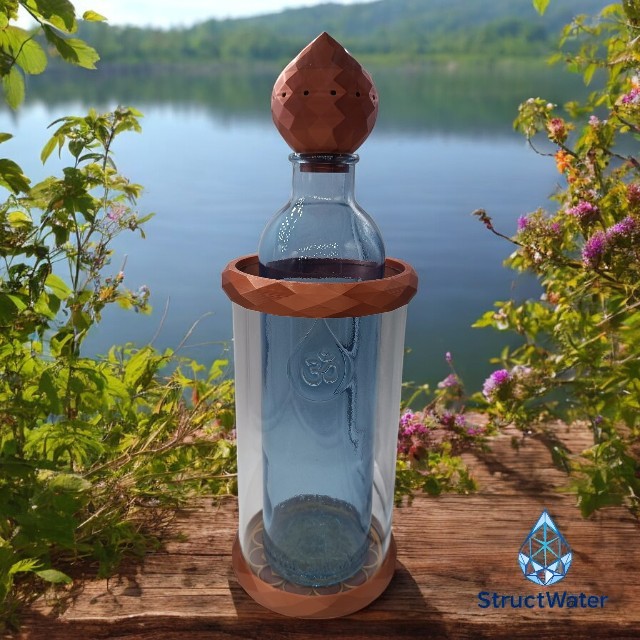
structureur d'eau Struct'Water
- Garantie 5 ans
- Durée de vie 50 ans
- Eau prête à boire en 15 Minutes
Le concept Struct’Water vous intéresse ?
N’hésitez plus et commandez dès maintenant votre structureur d’eau et bénéficiez rapidement des biens faits d’une eau structurée. Paiement sécurisé et livraison rapide à domicile ou en point relais.
Vous pouvez nous contactez pour toutes questions et informations nécessaires, notre équipe est là pour vous.